
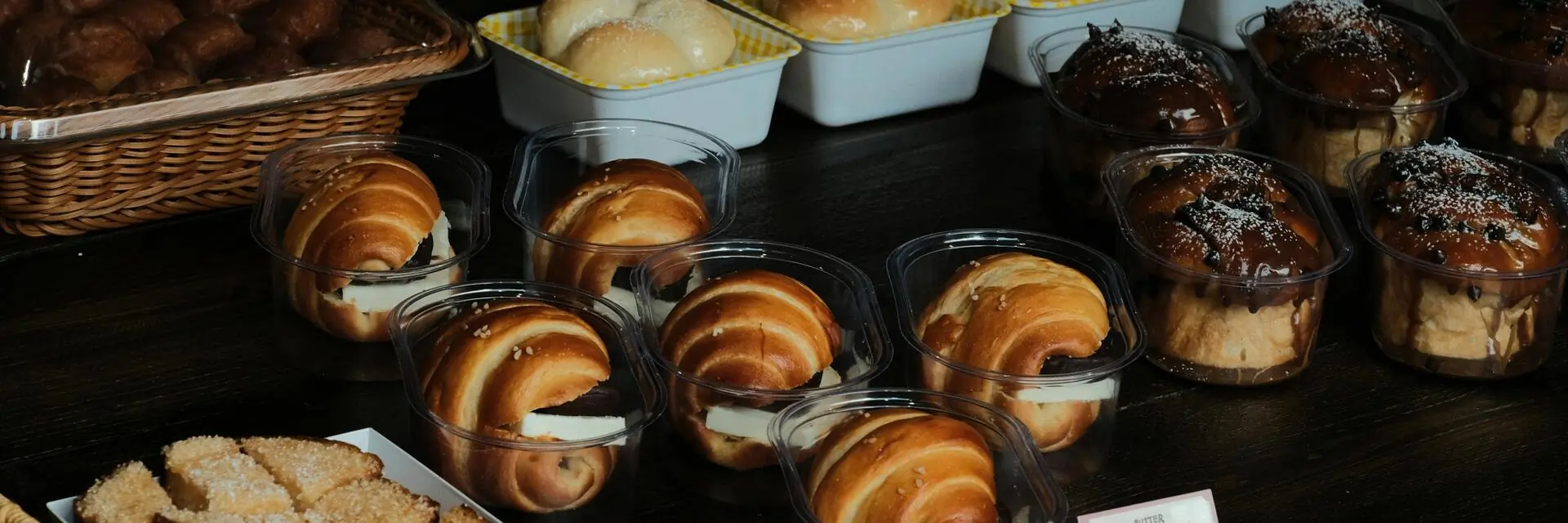
Walking into a modern bakery can feel a bit like stepping onto a sci-fi spaceship. What used to be a simple choice between a packet of “white” or “brown” has transformed into a massive wall of options. You see seeded loaves, dark crusts, braided loaves, and even bread with fruit in it. With so many types of bread in bakery racks today, it is easy to default to whatever is closest to the counter. However, if you are mindful of what your family eats every day, taking a closer look at these different types of bread is well worth your time.
The bread rack is not just a collection of different shapes and colors: it is a display of different baking philosophies. Understanding your choices helps you move away from treating bread as a cheap filler and toward seeing it as a crafted, clean component of your daily routine.
Milk Bread vs White Bread: The Ultimate Morning Showdown
Let’s start with the classic choice that sits on almost every breakfast table. When comparing milk bread vs white bread, the differences go far deeper than just a slight change in texture. Standard white bread is typically a minimalist affair, made from flour, water, yeast, and salt. Because it lacks fat, mass manufacturers often introduce synthetic softeners to keep it from turning into a brick on the retail shelf.
So, what is milk bread exactly? Originating as a highly disciplined baking technique, real milk bread replaces water with rich whole milk and real butter. This simple twist changes the entire protein structure of the dough. The fats in the milk and butter naturally coat the flour molecules, creating an incredibly soft, pillow-like texture without a single chemical additive or preservative in sight. When a thoughtful bakery crafts a Butter-Rich Milk Bread, they rely entirely on 100% butter rather than cheap margarine or vanaspati to achieve that melt-in-your-mouth feel. It is a prime example of how traditional ingredients do the heavy lifting naturally.
The Darker Loaves
Moving along the rack, you hit the hearty section. This is where you find options like the Multigrain Loaf or Whole Wheat Bread. For a long time, these bread varieties were treated like health food punishments, dry, dense, and tasting vaguely like cardboard. However, modern clean baking practices have completely revitalized these recipes.
A true Multigrain Loaf brings an explosion of texture and natural nutrients to your plate by incorporating whole grains and seeds directly into the crumb. The key to choosing a great whole grain loaf is ensuring it hasn’t been artificially colored with caramel tints to make it look healthier than it is. Clean bread products maintain their color and rich flavor purely from unbleached flours and real grains. These dense loaves are perfect for savory open toasts or heavy sandwiches because they carry a structural depth that standard commercial loaves simply cannot match.
When Bread Crosses Over to Dessert
Bread does not always have to be destined for a toaster with a slice of cheese. Sometimes, it is an artisanal treat designed to make your afternoon tea a little more exciting. This is where specialty bakes, such as the Dark Chocolate Babka Bread, come into play. A babka is a beautiful, twisted loaf that originates from Eastern European traditions, featuring rich layers of sweet filling swirled throughout the dough. Crafting this requires serious process discipline. Instead of using artificial chocolate syrups or cheap compound chocolates filled with vegetable oils, a premium bakery uses real couverture chocolate featuring 29% to 65% cocoa butter. When you pull apart a slice of chocolate babka, you are experiencing a time-intensive process where laminated dough and authentic chocolate create a perfect balance. It is proof that indulgence can be done responsibly when you refuse to take shortcuts.
Why the Fat Choice Matters
As you look over all these different types of bread, there is one invisible factor that alters the nutritional profile and taste of every single loaf: the fat source. If you read the back of a standard supermarket bread packet, you will almost always find hydrogenated vegetable oils or margarine listed. These fats are chosen for mass production because they are incredibly cheap and do not spoil easily, allowing bread to sit in storage cycles for days on end.
A premium bakery operating with a clean label standard refuses to compromise on this front. Breads and specialty laminated bakes must be made with 100% real butter. Butter provides a clean flavor and processes naturally in your body, keeping your food aligned with a “Happy Heart” lifestyle. Settle for nothing less than absolute transparency regarding what goes into your daily bakes and that’s exactly what we do here at Bread factory.
Finding Your Perfect Daily Loaf
Every loaf on the modern bread rack has a specific purpose. A soft Butter-Rich Milk Bread or a Classic Sandwich Bread is your go-to for standard breakfast toast or a quick kid’s lunchbox. A robust Multigrain Loaf is the ultimate partner for healthy evening snacks, and a slice of Toasted Butter-Garlic Bread serves as the perfect companion for a comforting bowl of soup.
The next time you visit your favorite local spot, do not just grab the first plastic bag you see. Take a second to look at the menu, ask about the production schedule, and choose a bread variety that was baked fresh in small batches that very day. Your body, your digestion, and your morning routine will thank you for it.
Ready to bring India’s thoughtful bakery home? You can have everything Bread Factory sells delivered directly to your doorstep.
Download our app to browse our full range of clean, freshly baked goodness.
Download for Android on Google Play
Download for iOS on the Apple Store